The Powerline project in Oxelösund: Where every pylon has a story
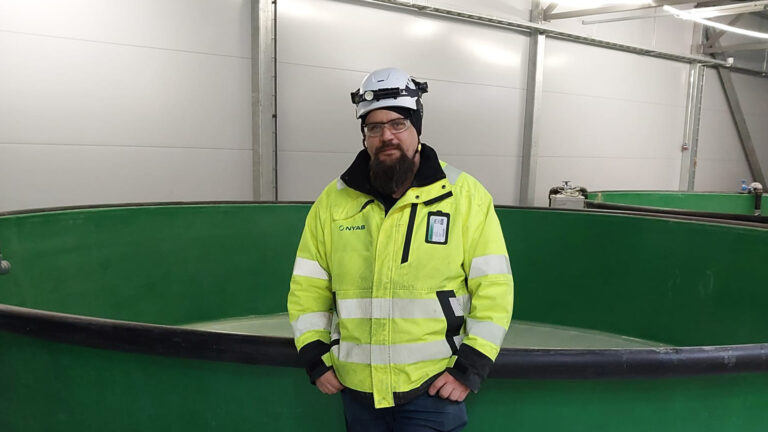
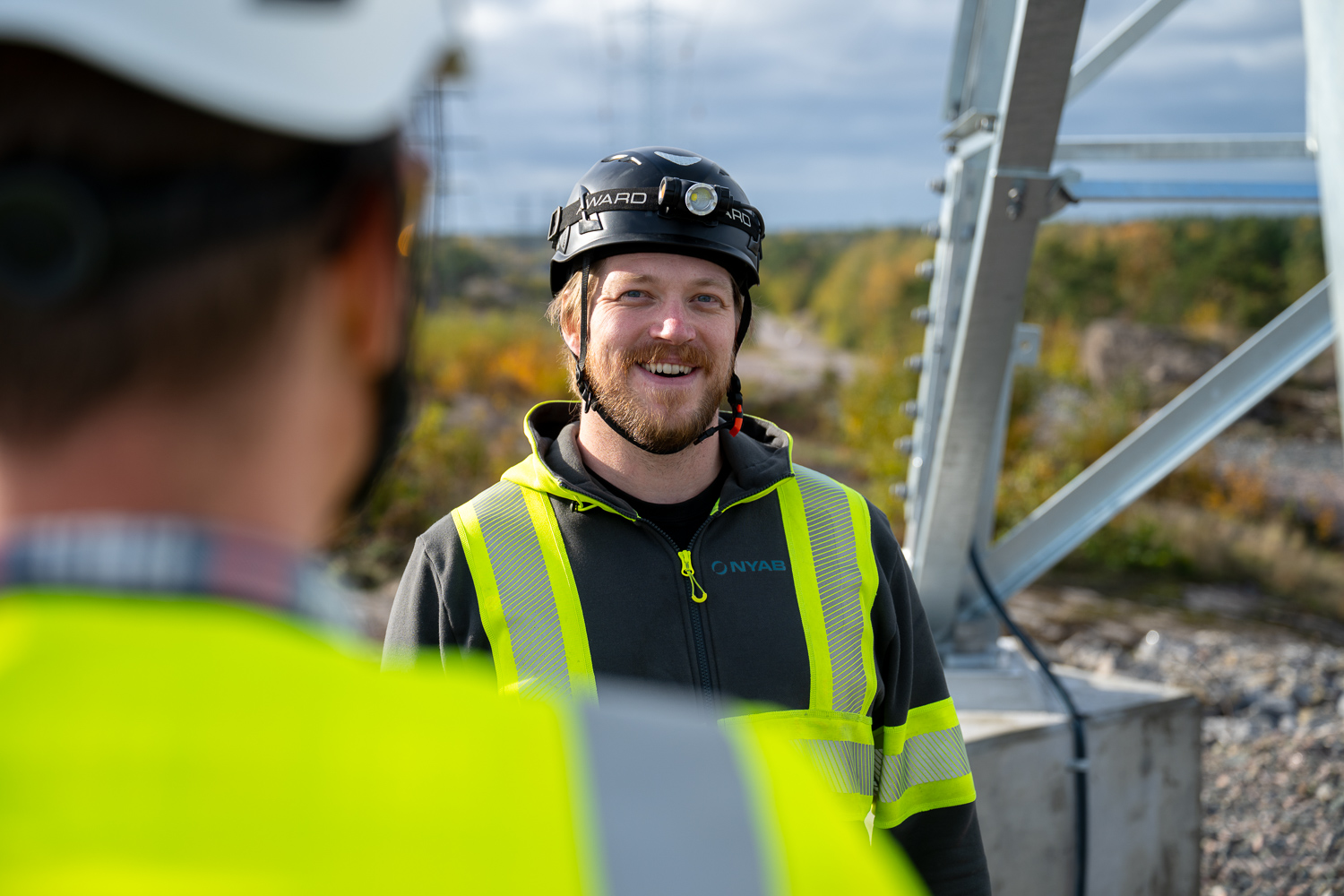
26.02.26The project between Hedenlunda and Oxelösund is in a intensive phase, with ongoing groundwork, foundations and pylon assemblies. On site in Oxelösund, we meet Mats Olsson, Site Manager at NYAB, who together with the team provides insight into the extensive work underway.
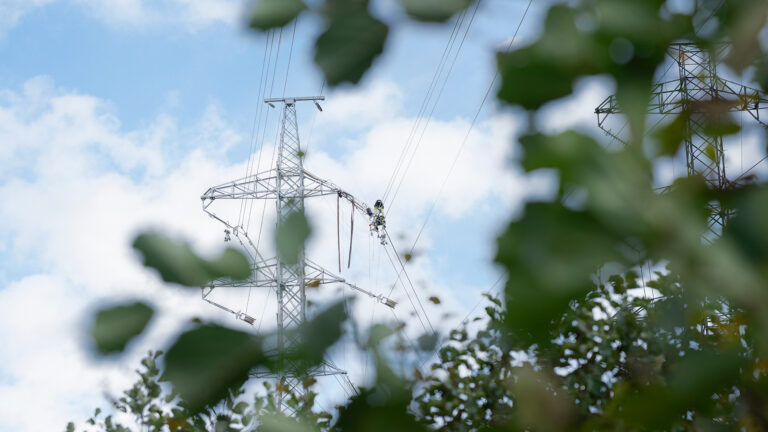
The project, commissioned by Vattenfall Eldistribution, involves the construction of two parallel 130 kV power lines spanning 80 kilometers. These lines will supply SSAB’s steel plant in Oxelösund with green electricity for a new electric arc furnace, a key step in SSAB’s transition to fossil-free production.
The project in numbers
- 244 pylons
- 2 x 130 kV power lines
- 80 km route
- 100 tonnes of concrete, 30 tonnes of steel, 3,000 bolts used in the project
- 180 people involved, 90 % of whom are carefully selected subcontractors
- Target: energisation in December 2026
Collaboration from day one
In the initial phase, expertise from across the organisation came together to form a team capable of meeting challenges with precision. This internal collaboration enables us to quickly mobilise the right resources, wherever they are in the company, ensuring that fieldwork starts under the best possible conditions.
“We build strong teams to remain flexible and plan the work according to the needs that arise along the way,” says Project Manager Mats Olsson.
Once the team is in place, clear communication is essential to maintain pace and avoid misunderstandings. Information flows through structured mobile chat groups, simplifying coordination between shift teams working in the field. With the 7-7 shift system, it’s easy to track weekly progress and keep everyone updated.

Ground conditions and solutions
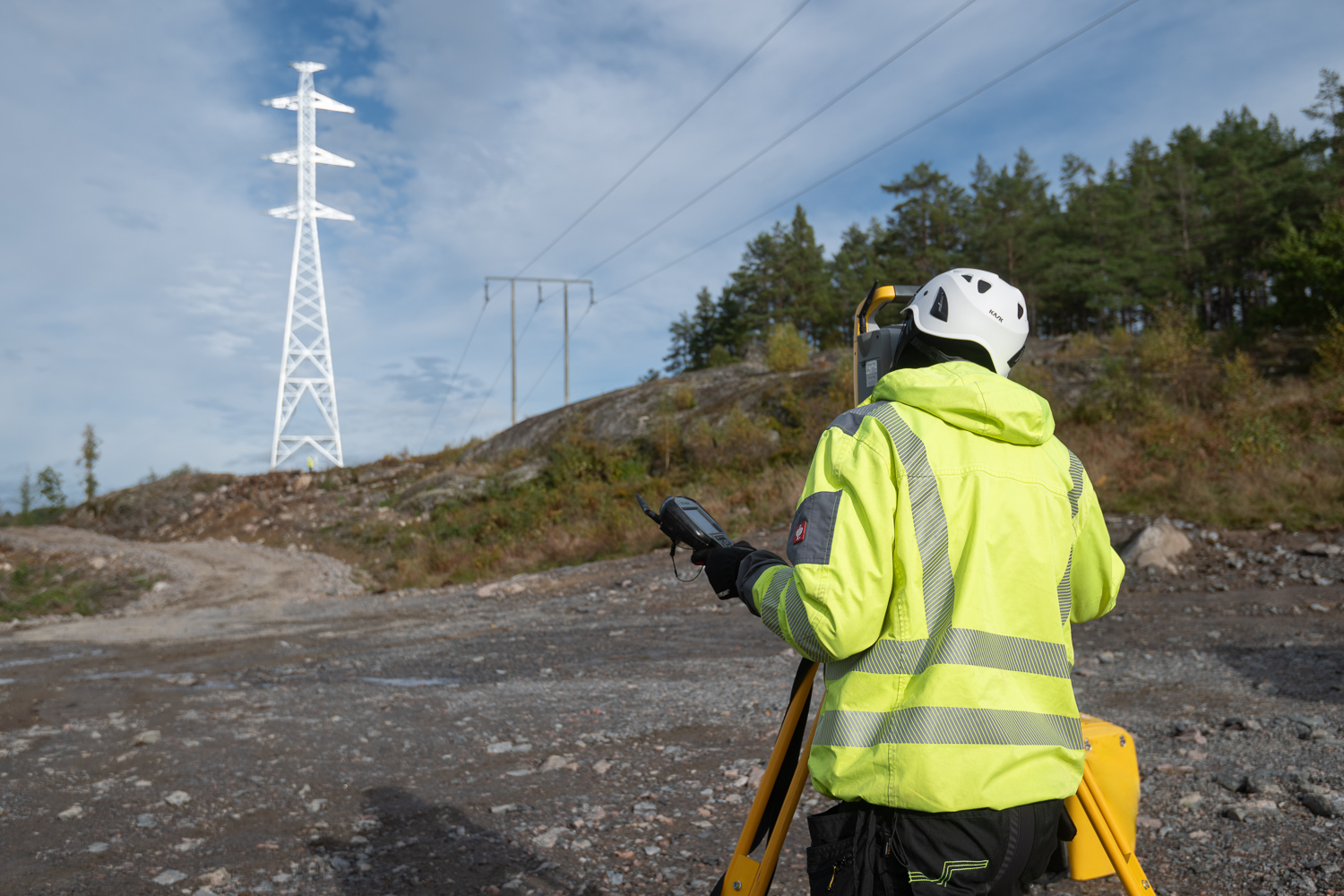
Behind the numbers lies the hands-on work – where every pylon has its own story and every location demands a tailored solution. The project between Hedenlunda and Oxelösund is no exception. Ground conditions vary significantly, making the requirements for each pylon unique.
The largest foundation in the project, and its most challenging location, was pylon 122, positioned on an inaccessible slope and requiring an entirely new approach. What was initially planned as a rock foundation became a specially designed earth foundation, adapted to the site’s conditions. This pylon, the biggest foundation in the project, came to symbolise collaboration and creativity, as we worked together with Vattenfall and Nordconsult to identify the right parameters and design a solution that would last.
“Through careful planning and close cooperation between designer, client and contractor, we achieved a result that exceeded expectations,” Mats explains.
At pylon 243, a sheet pile wall was installed to protect an existing road and cooling water pipes from collapsing into the excavation.
At pylon 91, the team encountered wet clay (silt material). The solution involved a test pit with geotextile, layers of gravel and a pyramid structure with rock fill. Steel lamellas were used to ensure excellent torsional rigidity.
“You never know what’s in the ground. Challenges like rock and soft clay can appear unexpectedly,” says Mats. “That’s why competence is crucial for smooth workflows. With extensive earthworks in the project, thorough planning is key. To secure logistics, we use experienced excavator operators and wheel loaders capable of pulling concrete trucks through tough terrain,” says Mats.
At pylon 159, located in a bird protection area, work was planned with special consideration for environmental values. No activities take place during the nesting season, which runs from February to August. By adapting the timing of interventions, the project ensures responsibility for both nature and local conditions.
Pace and technique in the field
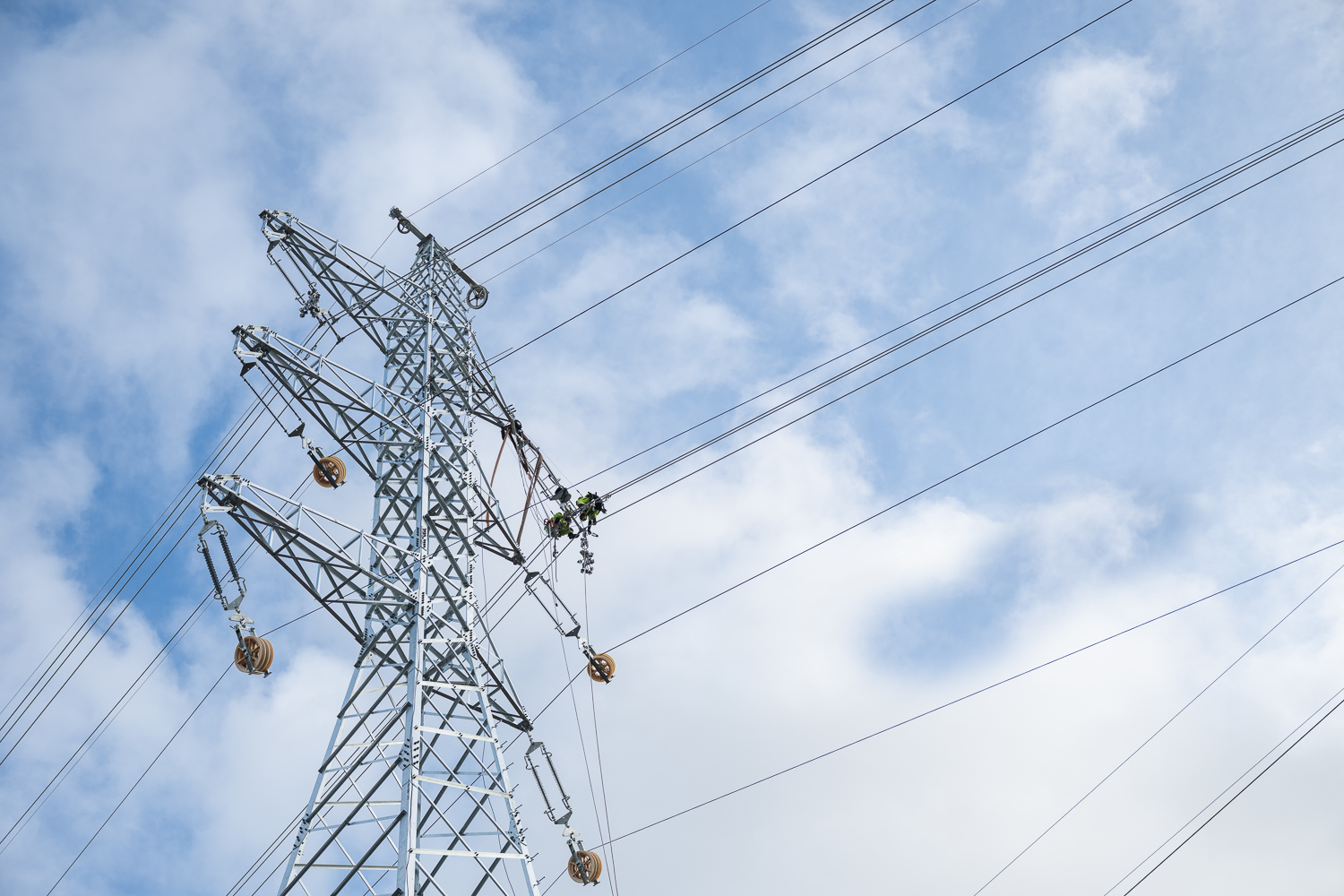
The target was to install five foundations per week. During autumn, the team averaged eight per week, with peaks of up to 18. Pylons are assembled using a 70-tonne crane, while a 200-tonne crane is deployed for the upper sections.
“Good logistical thinking is essential. We’re far out in the field, and if something is forgotten, it takes time to fetch. That’s why we have a system that keeps us efficient,” says Mats.
Dialogue and solutions along the line
The project involves a large number of stakeholders, placing high demands on clear communication and meticulous documentation. NYAB is responsible for complying with the client’s requirements and guidelines, a task that calls for structure and precision at every stage.
“We’re doing well and navigating the details correctly,” Mats concludes.
Next milestone
With half the project completed and pylon assembly in full phase, focus now shifts to the next milestone: energisation in December 2026. Every installed foundation and every resolved challenge in the field brings the project closer to its goal, enabling fossil-free steel production in Oxelösund.
Want to see how a single pylon is handled on site? Read the story of pylon 91.